In the pantheon of science-fiction movies, where will Ad Astra stand? That’s a difficult question to answer. Despite boasting Brad Pitt as the lead, this film hasn’t been billed as a sci-fi blockbuster and hasn’t really tried. It feels destined to be swept underneath a sea of upcoming mega-films, not least of which Gemini Man. That would be a shame, because this Apocalypse Now-in-space saga is a thoughtful piece on how we shape our own legacy, and is oddly appropriate at a time when our planet truly feels in transition.
Ad Astra starts off with the kind of jaw-dropping sci-fi scene that is genuinely terrifying, and the film escalates fascinatingly from there. Pitt’s character, Roy McBride, is an astronaut with the legendary ability to keep his BPM below 80 (naturally, Pitt is somehow entirely believable as this uber-cool, yet somehow incredibly intelligent, space cowboy). It serves him well in the opening scene. And then the film kicks into gear. It turns out McBride’s father (played by Tommie Lee Jones), who went on a failed space expedition to Neptune fifteen years ago, may still be alive and causing… problems on Earth. NASA asks McBride to travel to Mars so that he can transmit a message to his father in the hopes that they can track him.
Some of the better scenes in Ad Astra involve the voyage to Mars, which includes a stopover at the Moon. The Moon is fantastically – and depressingly – realised by Director James Gray as a sort of burgeoning tourist destination hosted by Virgin Atlantic. It also features an innovative chase scene unlike any seen before. Then McBride reaches Mars, and the film’s plot turns, perhaps not surprisingly but at least interestingly and enough to maintain trepidation.
This film features some interesting themes, but the strongest is the link between the two McBrides; son and father. The narration is led by Pitt in an almost factual, stilted tone that lends to his stiff, unperturbed character. It makes the moments where his cracks start to appear all the more blatant. In a key moment, Pitt’s character states, matter-of-factly as his spacecraft hurtles along, “I guess the son bears the sins of the father”. It’s really that quote that encapsulates what Ad Astra is trying to convey, despite all the captivating space junk surrounding it, and gets to the heart of its struggle.
Pitt is mesmerising in an understated role. He plays a character who has really only ever followed orders – first from his father and then from NASA – through the legacy his father built. As the plot revolves, he grows more confused and distressed, unsure how to bear out his frustrations in the face of authorities who aren’t being entirely truthful with him. Donald Sutherland appears as McBride’s security detail in a brief and somewhat underwhelming role, and while Jones’ involvement is deliberately scarce, the final confrontation is more about the son’s realisation than it is about anything his father is doing. All in all, like most Big-Idea sci-fi movies, this one is about the ideas behind the Man.
Ad Astra isn’t perfect. Some of the gears in the plot turn all-too-conveniently – a common occurrence in movies set in outer space where you imagine things would never be time quite so perfectly. And the movie stalls and will lose plenty of viewers after McBridge leaves Mars, where it turns into an introspective, drifting piece until Neptune. This film clocks in at just over two hours but feels even longer.
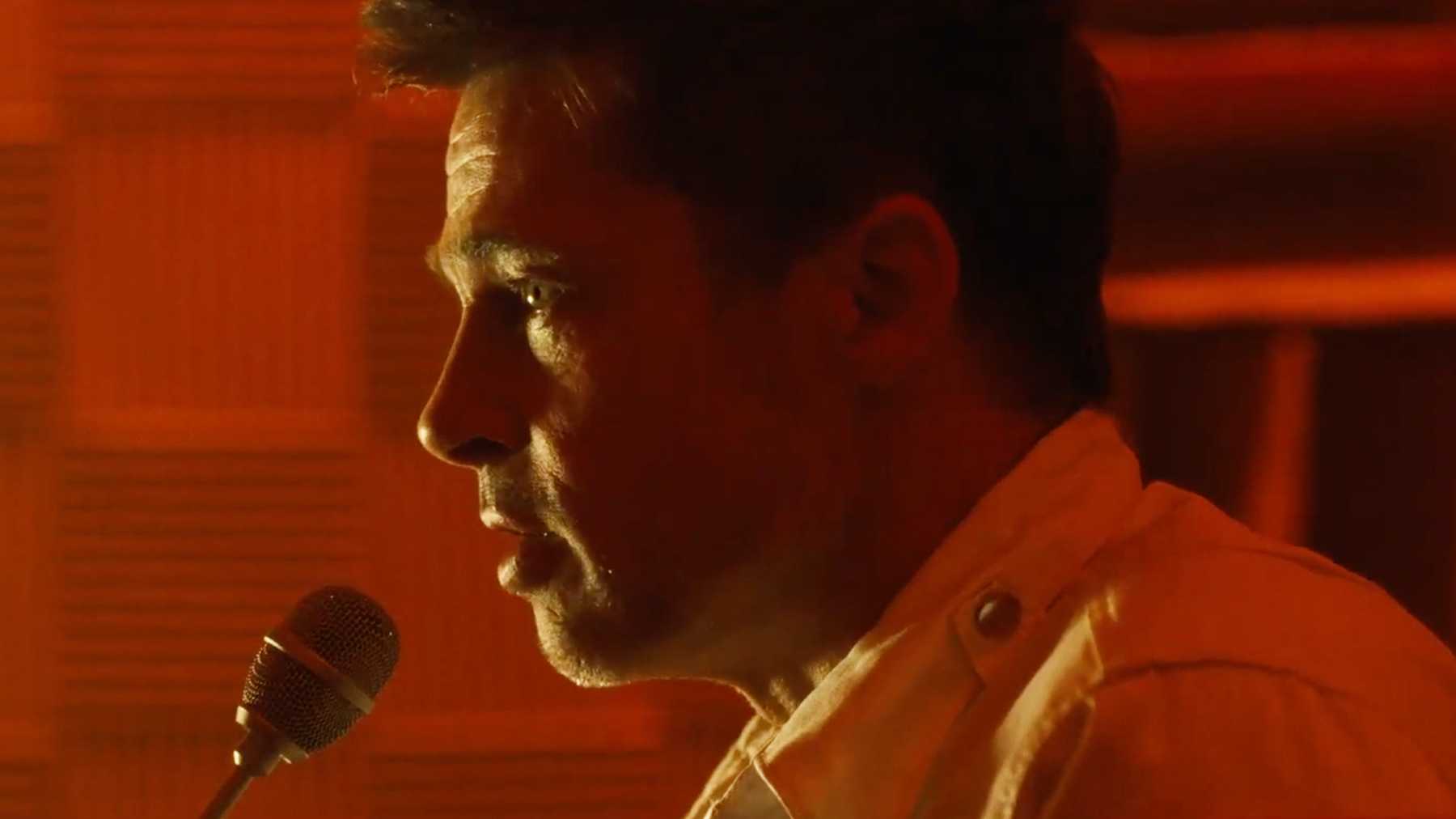
But if you stay with it, it has an ending unlike almost any other in a sci-fi film. Despite it feeling as if the film is crawling to its finale, its’ final moments are surprisingly moving. Pitt’s character’s closing speech, dictated to a psych-evaluation robot, is one of his finer moments in any film. Written short and sharp and with warm clarity, it’s a message that feels oddly poignant. Ad Astra indeed may end up lost in a shuffle of a hundred other space operas. So be it. But those who watch it will likely remember its final moments, and can count themselves among the lucky ones.

 THE MIDNIGHT SPECIAL