
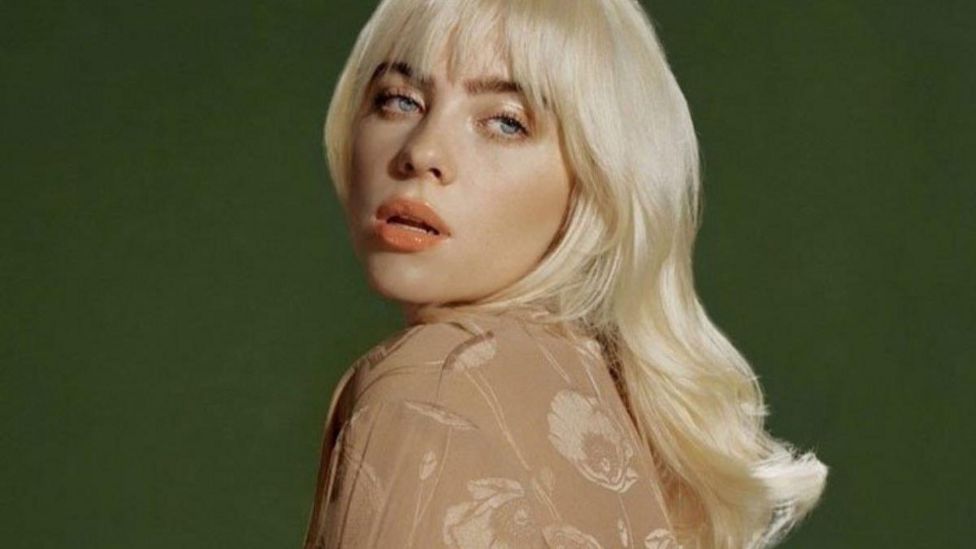
Artists don’t get much bigger than Billie Eilish. And like most pop music titans, it’s the whole “package” that Eilish has going for her – a distinct ethereal attractiveness; unattainable cool. All that makes it even more surprising how fascinating this album is. Gorgeous, warped production and sniping lyrics, all with Eilish snaking her way through the tracks in odd ways. For a 19 year-old who spends most of this album circling her insecurities, Eilish’s sound is as confident and elusive as any artist going around.
8.4
The standout feature of this album is the harmony between Eilish’s vocals and the production, done by her brother Finneas. There are standouts dotted throughout. The spotty, piano-laden opener “Getting Older”, the warbled back-half of “I Didn’t Change My Number, and the twinging guitar on Billie Bossa Nova. Those three tracks kick off the album and all splinter in surprising ways. At no stage is Billie’s delicate voice overshadowed. The production softens when she goes high, and sinks when she goes low.
Eilish herself is nothing short of magnetic. She’s hauntingly sexy on “Billie Bossa Nova” (“you better lock your phone/and look at me when you’re alone”). She’s aspirational on “my future”, and untouchable on “Therefore I Am” (I’m not your friend or anything, damn/ you think that you’re the man/ I think therefore I am”). It’s amazing the ground she’s able to cover for an artist that’s vocals could be conveniently characterised as moody.
And yet, despite every indication that she should be impossibly manufactured, Eilish somehow comes across as genuine, thoughtful and considered throughout. It’s a reminder that she’s seen more before exiting her teenage years than most are exposed to in a lifetime. Her interlude “Not My Responsibility”, should be tacky and corny, as she talks about the way her objectification. It somehow elicits sympathy. She should come across as a spoilt, entitled brat. Instead, she paints herself convincingly like a true victim. Is the whole thing dramatic? Yes. Perhaps it’s supposed to be.
There were plenty of reasons why this album should fail. It felt for quite a long time that the peripheral elements to Eillish – her hair, distinct physical features, quirky interview personality – were fogging a debate over where her talent lied. Happier Than Ever puts her ability (and her brother’s; Finneas’ curation across this album is to perfection) in the limelight and it suits her. In case you had any doubts – she might stick around for quite a while.
 THE MIDNIGHT SPECIAL